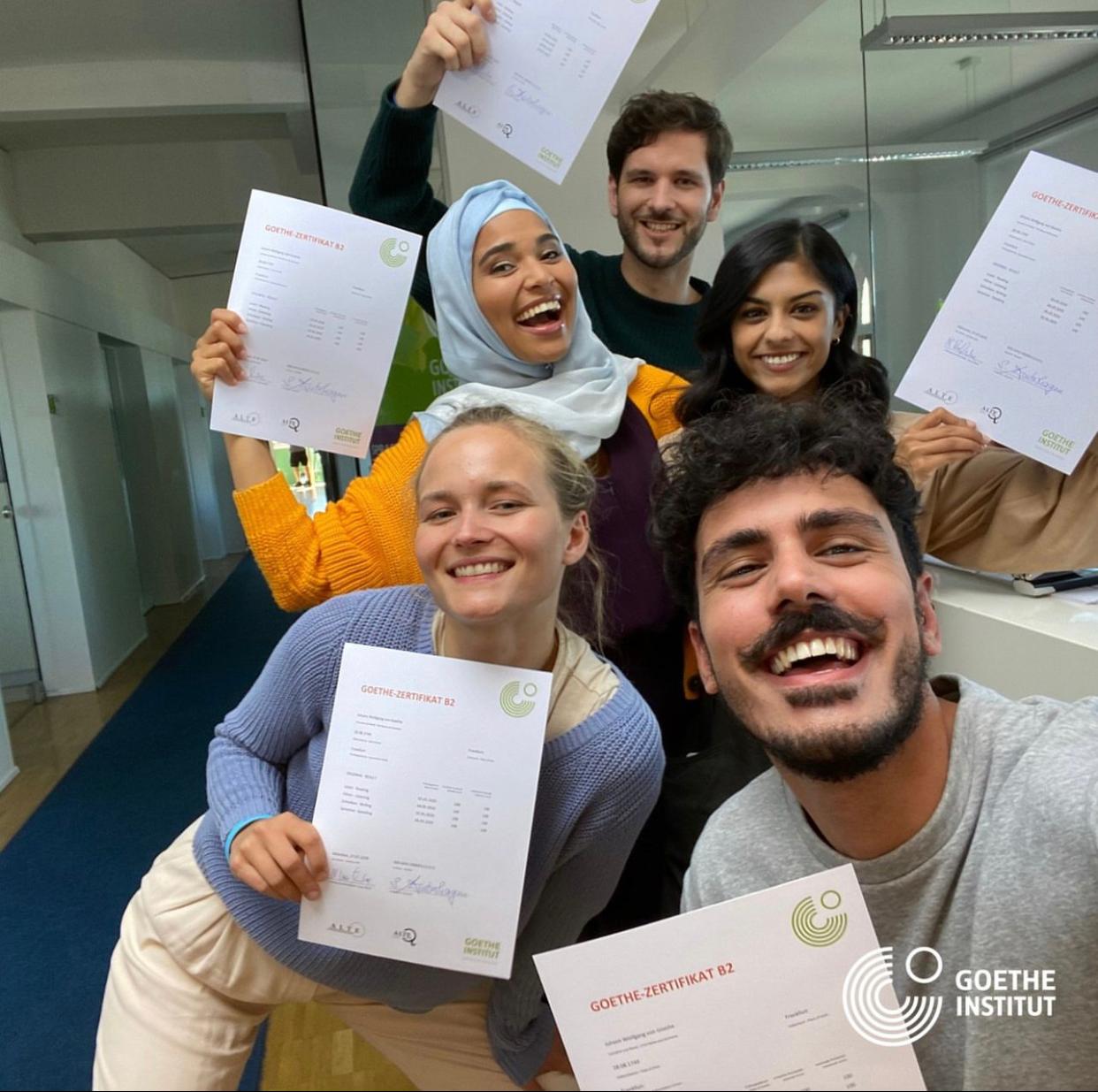
Understanding the Goethe B1 Certification: A Gateway to Intermediate German Proficiency
The Goethe B1 accreditation stands as a considerable turning point in the journey of discovering German. Recognized worldwide, this accreditation not only verifies a learner's intermediate efficiency in the German language but likewise opens doors to various academic and professional opportunities. This post dives into the intricacies of the Goethe B1 exam, its value, and how to get ready for it efficiently.
What is the Goethe B1 Certification?
The Goethe B1 is a language certificate used by the Goethe-Institut, a prominent cultural organization that promotes the German language and culture worldwide. This accreditation is designed to examine a student's ability to communicate efficiently in German at an intermediate level. It is based upon the Common European Framework of Reference for Languages (CEFR), which classifies language proficiency into six levels: A1, A2, B1, B2, C1, and C2. The B1 level is the third step in this structure, indicating that the student can understand the bottom lines of clear basic input and can communicate in basic and routine jobs.
Value of the Goethe B1 Certification
- Academic Advancement: Many universities and universities in German-speaking countries require a B1 level certification for admission to undergraduate and graduate programs. It demonstrates that the student has the necessary language skills to follow lectures and take part in academic conversations.
- Professional Opportunities: For individuals looking to work in German-speaking countries, the Goethe B1 certification is frequently a prerequisite for certain tasks. Goethe C1 Zertifikat reveals companies that the candidate can handle everyday communication and perform tasks that need an excellent command of the language.
- Personal Development: Achieving the B1 level is a substantial personal accomplishment. It increases confidence and supplies a strong structure for further language knowing. It also opens up opportunities for travel, cultural exchange, and personal development.
Structure of the Goethe B1 Exam
The Goethe B1 exam consists of four areas, each created to test different language skills:
Reading Comprehension (Leseverstehen)
- Format: Multiple-choice concerns, matching jobs, and gap-filling exercises.
- Period: 60 minutes.
- Objective: To assess the capability to comprehend and interpret numerous composed texts, including articles, letters, and brief stories.
Listening Comprehension (Hörverstehen)
- Format: Multiple-choice questions, matching jobs, and gap-filling workouts.
- Duration: 30 minutes.
- Objective: To assess the capability to understand spoken German in various contexts, such as conversations, statements, and interviews.
Writing (Schriftlicher Ausdruck)
- Format: Writing a letter, e-mail, or brief essay.
- Period: 45 minutes.
- Goal: To evaluate the ability to express thoughts and ideas in written form, using suitable vocabulary and grammar.
Speaking (Mündlicher Ausdruck)
- Format: A conversation with an inspector, consisting of a role-play and a conversation.
- Period: 15 minutes.
- Goal: To evaluate the ability to communicate efficiently in spoken German, including making use of suitable vocabulary, grammar, and pronunciation.
Preparing for the Goethe B1 Exam
- Language Courses: Enrolling in a structured German language course can supply a comprehensive understanding of the language and prepare you for the exam. Many language schools and online platforms provide courses particularly tailored to the Goethe B1 level.
- Practice Tests: Taking practice tests is important to familiarize yourself with the exam format and determine areas that require improvement. The Goethe-Institut offers sample tests and practice products on their website.
- Checking out and Listening: Regularly checking out German texts and listening to German audio can improve your comprehension skills. Resources such as news short articles, podcasts, and books are important for this function.
- Composing and Speaking: Practice composing essays and letters in German, and engage in discussions with native speakers or language partners. This will help you fine-tune your writing and speaking abilities.
- Vocabulary and Grammar: Building a strong vocabulary and mastering German grammar are important. Use flashcards, grammar workouts, and language apps to enhance your understanding.
FAQs about the Goethe B1 Certification
Q: How long does it require to get ready for the Goethe B1 exam?A: The preparation time can differ depending upon your current level of German efficiency and the quantity of time you can dedicate to studying. Typically, it takes several months of constant practice to reach the B1 level.
Q: Can I take the Goethe B1 exam online?A: Yes, the Goethe-Institut provides online versions of the B1 exam. However, the accessibility of online exams might vary by area, so it's best to examine with your regional Goethe-Institut for more information.
Q: What is the passing score for the Goethe B1 exam?A: To pass the Goethe B1 exam, you require to score a minimum of 60% in each section of the exam. The overall score is calculated based on the performance in all 4 areas.
Q: Can I retake the Goethe B1 exam if I do not pass?A: Yes, you can retake the exam as numerous times as essential. However, there might be a waiting duration between attempts, and you will need to pay the exam fee each time you retake it.
Q: Is the Goethe B1 certification valid for life?A: Yes, the Goethe B1 accreditation stands for life. Once you pass the exam, you do not need to retake it to preserve your accreditation.
The Goethe B1 certification is a valuable asset for anybody seeking to advance their German language skills. It not only provides an acknowledged standard of efficiency but likewise opens many academic and professional opportunities. By comprehending the exam structure, preparing diligently, and utilizing offered resources, students can effectively achieve this important milestone in their language journey. Whether you are a trainee, professional, or merely a language lover, the Goethe B1 certification is a substantial action towards mastering the German language.